

Dubrovnik to Montenegro: Our Experience
We found driving from Dubrovnik to Montenegro very easy. The two are so close that the Bay of Kotor is only around 90 km down the coast, and the drive takes you about an hour and three-quarters if you drive there off season. We did it by rented car in April, and it was one of the easiest and most enjoyable cross-border drives we’ve experienced.
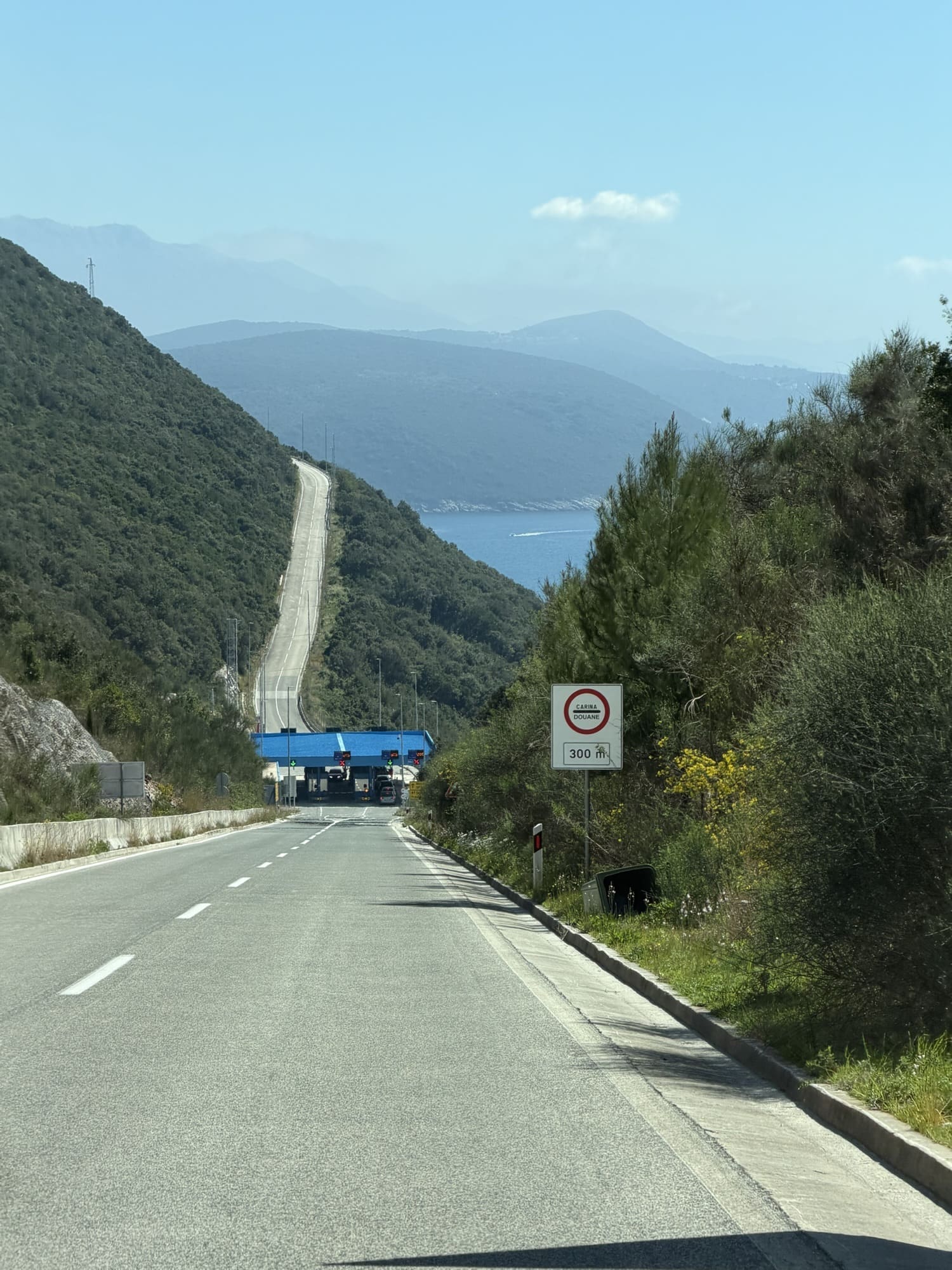
The route we took from Dubrovnik to Perast along the Bay of Kotor is a beautiful coastal road with spectacular views, and our border crossing on the way there took hardly any time at all.
Coming back was a different story and from what I’ve read and seen on social media the crossing can be a nightmare if you’re making this route in July and August. If you’re planning a Dubrovnik to Montenegro trip, the crossing you choose and the time you go can make a massive difference to your day.
In this guide I’ll cover Dubrovnik to Montenegro by car (including a cost that bumped up the price of renting a car significantly), which border crossing is best, and how to do it without a car by bus, transfer or tour.
Contents
- Dubrovnik to Montenegro: Our Experience
- Quick Answer: How to Get from Dubrovnik to Montenegro
- Is It Worth Travelling From Dubrovnik to Montenegro?
- Dubrovnik to Montenegro by Car
- The Cross-Border Fee That Bumped Up The Cost
- Which Border Crossing Is Best?
- How to Get from Dubrovnik to Montenegro Without a Car
- Which Option Is Right for You?
- Things to Know Before You Cross
- FAQs
- Planning Your Montenegro Trip
Some of my content may contain affiliate links for companies I use and love and recommend. If you take action after clicking one of these links, I’ll earn a small amount of pocket money at no extra cost to you, so I can buy a coffee while creating more helpful content like this.
Quick Answer: How to Get from Dubrovnik to Montenegro
- By car: around 90 km to Kotor and about 1h45 without queues. Best for flexibility, and the way we did it.
- By bus: roughly 2 to 3 hours to Kotor. Around four to seven services a day (depending on season), with tickets from about €15 to €25.
👉Compare prices and routes on Rome2Rio
- By private transfer: door to door, and drivers can choose the quieter border crossing on the day.
- By organised day tour: easiest if you only have a day.
- By ferry: a seasonal option that I wouldn’t rely on without checking it’s running.
Tip: Take your passport if you’re a non-EU citizen. Montenegro isn’t in the EU, so you’ll be going through a proper border control on both legs of the journey.
Is It Worth Travelling From Dubrovnik to Montenegro?
We’ve always wanted to travel to Montenegro but for us the flights from our local airport to Montenegro were really expensive. Flights to Dubrovnik were much cheaper so we thought we’d save money by travelling from Dubrovnik to Montenegro by car. Plus, we’d get to explore Dubrovnik too, so for us it was the perfect solution.

Dubrovnik to Montenegro by Car
Driving gave us freedom to do what we liked, and it meant we could base ourselves in Perast and explore the Bay of Kotor at our own pace. If you want to see more than one place in Montenegro, a car is the simplest way to do it.
Our drive from Dubrovnik
We rented our car from Dubrovnik airport and set off along the coastal road towards Montenegro. The drive was easy, the road was in good condition and the scenery was beautiful, with the Adriatic on one side and green hills on the other and there was hardly any traffic.
We crossed into Montenegro at the smaller crossing, Vitaljina. In April the queue was short and we were through quickly. It literally took us about 10 minutes. We were asked to exit the vehicle for passport control and to have our photo taken.

Hiring a car for Montenegro: what to know
- Tell the rental company at the time of booking that you plan to cross into Montenegro. Most will need to add cross-border permission, and it isn’t always included in the quote.
- Ask about insurance and the Green Card. Drivers crossing into Montenegro are sometimes asked for a Green Card, which proves your vehicle has the right cover. Check with the rental company that it’s provided.
- Keep the paperwork handy. Have your passports, driving licence and the rental documents in an easy-to-reach place, as you may be asked for them at the border.
- Check where you can and can’t take the car. Some companies have restrictions, so read the terms. For example, we weren’t allowed to take the car on the ferry.
- Think about parking. Parking in Kotor Old Town can be difficult in high season, and you won’t need the car for Kotor itself. We used the local bus between Kotor and Perast and found it far easier. If you can, book accommodation with parking space because parking is limited.
Tip: If you’re comparing cars, you can search for prices on: Booking.com
The Cross-Border Fee That Bumped Up The Cost
This is the part which made renting a car a more expensive option than we’d anticipated. The car hire itself was cheap: £55 for five days, picked up from Dubrovnik airport. But the rental company charged a €90 cross-border fee to take the car into Montenegro, which was more than the hire cost.
Here’s how it added up for us:
- Car hire (5 days): £55
- Cross-border fee: €90 (about £76)
- Total: roughly £131, which is more than double the price we’d first accounted for
It was still good value for the freedom it gave us, but it’s worth knowing before you compare prices. Comparison sites often show the daily rate without the extra charge, so a cheap-looking deal can end up costing more than a slightly pricier one that includes cross-border cover.
Tip: Before you book, ask the rental company for the cross-border fee in writing, and work out the full cost including insurance, so you can compare like for like.
Which Border Crossing Is Best?
There are two border crossings for cars between Dubrovnik and Montenegro, and we used one in each direction, purely because that’s the way Google Maps took us.
Here’s what we found. Bear in mind that queues change by the hour and the season. We’ve seen people on social media queuing for hours in peak season, and I probably wouldn’t travel there at all in July or August.
Vitaljina / Kobila (the smaller crossing)
This is the smaller crossing (for cars and passengers only) and the one we used on the way there.
- Our experience: quick in April – about 10 minutes.
- Off-season waits: generally reported at around 15 to 30 minutes.
- Peak summer waits: some private drivers switch to this crossing when the main one is jammed, so it can get busy too, and it has fewer lanes.
Karasovići / Debeli Brijeg (the main crossing)
This is the main crossing on the Adriatic Highway, used by lorries, buses and cars, and it’s the one we came back through. There were only a couple of vehicles ahead of us and it still took us around 30 minutes, and with lorries in the mix I’d hate to be here when it’s busy.
- Peak summer: waits of two to three hours are commonly reported in July and August, longer at weekends.
- Buses use this crossing, so if you’re travelling by bus you can’t avoid the queue.
So which is best?
For us, Vitaljina was the better experience. It was quicker, quieter and a more pleasant drive. In peak summer, though, neither crossing is a guaranteed shortcut, so check the live wait times before you choose.
Tip: Before you set off, check the live border cameras and reported wait times.
How to avoid the worst of the queues
- Cross early or late. Before 7.30am or after 7pm is usually quieter, as coach and day-tour traffic leaves Dubrovnik from mid-morning.
- Avoid weekends in summer. These are reported as the busiest days.
- Check the cameras. Live border cameras show the queue before you commit to a crossing.
- Pack snacks, water and a charged phone. If you do get caught in a queue, you’ll be glad of them.
- Consider staying overnight. If you can, stay in Montenegro rather than doing a rushed day trip, so you’re not crossing back at the busiest time.
Tip: I’ve heard the border is horrendous in peak summer. We went in April, when it was quiet, so if you’re visiting in July or August, plan for delays.
New passport checks: the EES
Since April 2026 the EU’s Entry/Exit System has been fully live at Croatian borders. If you’re a non-EU traveller (including UK visitors), you’ll have your fingerprints and a facial scan registered the first time you cross, and then quicker checks after that. It can add time, especially in busy periods, so build it into your plans. We seemed to do this going both ways.

How to Get from Dubrovnik to Montenegro Without a Car
You don’t need to hire a car to get from Dubrovnik to Montenegro. Here are the other options.
By bus
The bus is the cheapest way to travel from Dubrovnik to Montenegro. Services run from Dubrovnik bus station to Kotor, and the journey takes around two to three hours depending on the border and the traffic. There are around four to seven services a day, depending on season. Tickets cost from roughly €15 to €25. Check Rome2Rio for prices and routes
The bus uses the main border crossing at Karasovići, so in summer the journey can take much longer. Book ahead in peak season, and take your passport, as you’ll be asked to show it.
By private transfer
A private transfer takes you from your accommodation in Dubrovnik straight to your hotel in Kotor, Perast or elsewhere in Montenegro. It’s more expensive than the bus, but it’s door to door, and good drivers will check conditions and pick the quieter crossing on the day. It’s a good choice for families or groups, where the cost is split.
By organised day tour
If you only have one day, a guided tour from Dubrovnik to the Bay of Kotor takes care of the logistics. Expect a long day, usually ten to twelve hours, so it’s a taster rather than a proper visit. We’d recommend staying overnight if you can, as Kotor and Perast are much more enjoyable once the day-trippers have gone home.
Check prices and availability for day tours on GetYourGuide
By ferry
A seasonal ferry service runs between Dubrovnik to Kotor and Budva in summer only, (1st June – 30th September).
Summer 2026 had six crossings a week to Budva and three to Kotor. It’s for foot passengers only, so you can’t take a car.
See prices and schedules for ferries from Dubrovnik to Kotor
By taxi from Dubrovnik airport
If you’re flying into Dubrovnik and heading straight for Montenegro, you can book a transfer from the airport to avoid going into the city first.
Which Option Is Right for You?
- People who want flexibility: hire a car, and budget for the cross-border fee.
- Families: a private transfer or a hire car might work out cheaper overall.
- Budget travellers: the bus is the cheapest option by a long way.
- Short on time: an organised day tour, or a private transfer.
- Staying in more than one place: a hire car, plus the local bus for short hops like Kotor to Perast.
Things to Know Before You Cross
- Passports: take your passport if you’re not an EU citizen. EU citizens can stay up to 30 days with an EU identity card.
- Currency: Montenegro uses the euro, even though it isn’t in the EU, so you won’t need to change money.
- Language: the local language is Montenegrin, which is very similar (the same according to our guide) to Croatian. English is widely spoken in tourist areas.
- Mobile data: an eSIM like HolaFly means you’re connected from the moment you cross.
- Insurance: check that your travel insurance and car cover include Montenegro.
- Time of year: April was ideal for us, with a quiet border and comfortable temperatures. May, June and September are also good choices.
- Registration: Every visitor to Montenegro has to register with local authorities within 24 hours of arriving. Hotels do this automatically at check-in, but in private rentals you may have to do it yourself.
FAQs
How far is Dubrovnik from Montenegro?
The Bay of Kotor is about 90 km from Dubrovnik, and the drive takes around an hour and three-quarters without delays at the border.
Can you drive from Dubrovnik to Montenegro?
Yes. It’s an easy drive along the coast. Check that your rental company allows cross-border travel and ask about any extra fee.
How long does the border take?
In April ours took 10 minutes on the way there, 30 minutes on the way back. In peak summer, waits of two to three hours are commonly reported.
Is it worth visiting Montenegro from Dubrovnik?
Absolutely. We loved Kotor and Perast, and I’d recommend staying a few nights rather than rushing a day trip.
What’s the best way to get from Dubrovnik to Montenegro without a car?
The bus is the cheapest option, ferry schedules vary, and a private transfer is the most comfortable.
Planning Your Montenegro Trip
If you’re putting a trip together, you’ll find everything you need in my Dubrovnik and Montenegro itinerary: (coming soon!). And when you get there, don’t miss my guides to Kotor, Perast hotels and 2 days in Dubrovnik.
Have you driven from Dubrovnik to Montenegro? I’d love to hear which crossing you used and how long it took, so tell me in the comments below.
Leave a Reply