
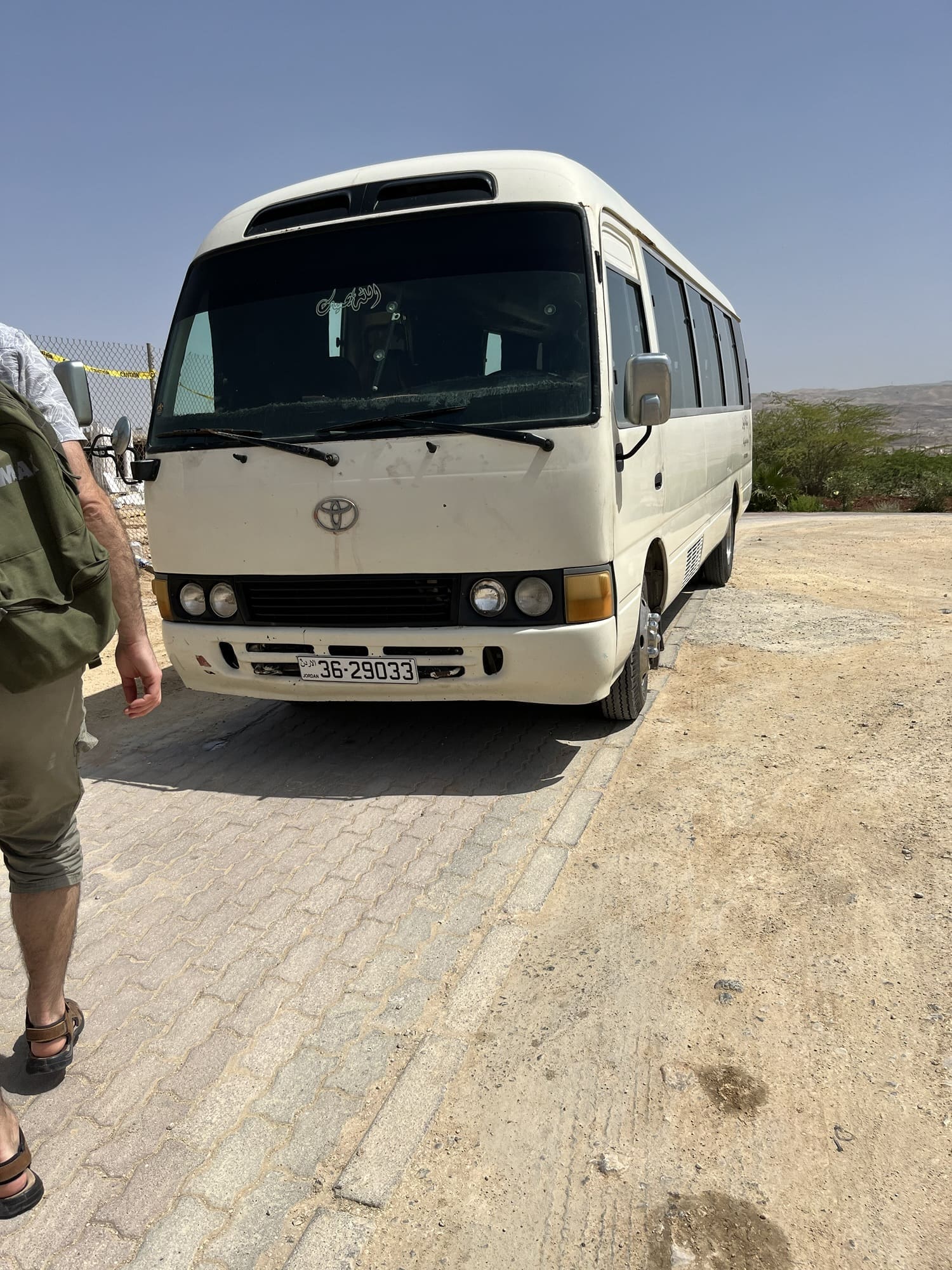

Pip: Getting from A to B abroad — sounds simple until you’re standing on the wrong side of a road in a foreign city, luggage in hand, no signal, and absolutely no idea which direction the bus comes from.
Mara: Jo Roberts has written a thorough step-by-step guide to planning transport abroad, and that is exactly the territory we’re covering today — the practical, unglamorous work of figuring out how to actually move around.
Pip: Let’s start with the ten steps themselves.
—
Mapping your route and moving like a local
Mara: The central tension here is one most travellers recognise: getting around abroad isn’t just logistically harder than at home — it’s a different kind of problem altogether, and most planning advice skips the groundwork entirely.
Pip: The guide opens with exactly that framing: “When I’m planning a trip to a new country — especially a multi-centre journey — one of the biggest quandaries isn’t where to stay or what to see or do… it’s how I’m actually going to get around.”
Mara: That framing matters because it repositions transport from an afterthought into the backbone of the whole trip. The guide uses current Sri Lanka planning as a running example — trains, buses, private drivers, even tuk-tuks all in the mix — to show how genuinely complex the decision tree can be.
Pip: And step one before any of that is simply: map your route, even roughly. Open Google Maps, switch to satellite view, and suddenly the mountains and jungle explain why a journey that looks like forty minutes is actually four hours.
Mara: Step two builds directly on that — look for how locals travel, not just the tourist-facing options. The guide is specific: search YouTube journeys between cities, look for patterns in what people rave about or warn against. In Sri Lanka, trains are scenic but slow; buses are cheap but chaotic; private drivers are very common.
Pip: Steps three through six are where the real pre-trip work lives — checking actual travel times at different times of day, deciding your travel style, using specialist apps beyond Google, and then looking at real routes rather than just abstract options. The app list alone is worth the read: 12GoAsia, Rome2rio, Omio, Trainline, Direct Ferries.
Mara: The guide also offers a free transport app cheat sheet to help match the right tool to the right destination — a genuinely useful companion to the steps.
Pip: Steps seven through ten cover the operational detail that catches people out — how tickets actually work, screenshotting everything before you lose signal, checking the last mile from station to accommodation, and always having a flexible backup. The daughter fined in Prague for an unstamped tram ticket is the kind of cautionary detail that sticks.
Mara: The closing thought ties it together: “Planning how to get around abroad can feel like a puzzle — but once you break it down into steps, it becomes much easier. Just enough to land confidently — and work the rest out as you go.”
Pip: Which is, honestly, the only sane approach to any of this.
Mara: There’s also a full companion guide to car rental abroad linked at the end — worth knowing about if driving is part of your plan.
Pip: From getting around on the ground to the bigger picture of DIY trip planning — that’s where we’re headed next.
—
Read my guide to Getting Around Abroad here!
Pip: The throughline across all of this is confidence — not certainty, just enough preparation to not be stranded.
Mara: Next time we’ll be back with more from the blog. Until then, screenshot your tickets.
Leave a Reply